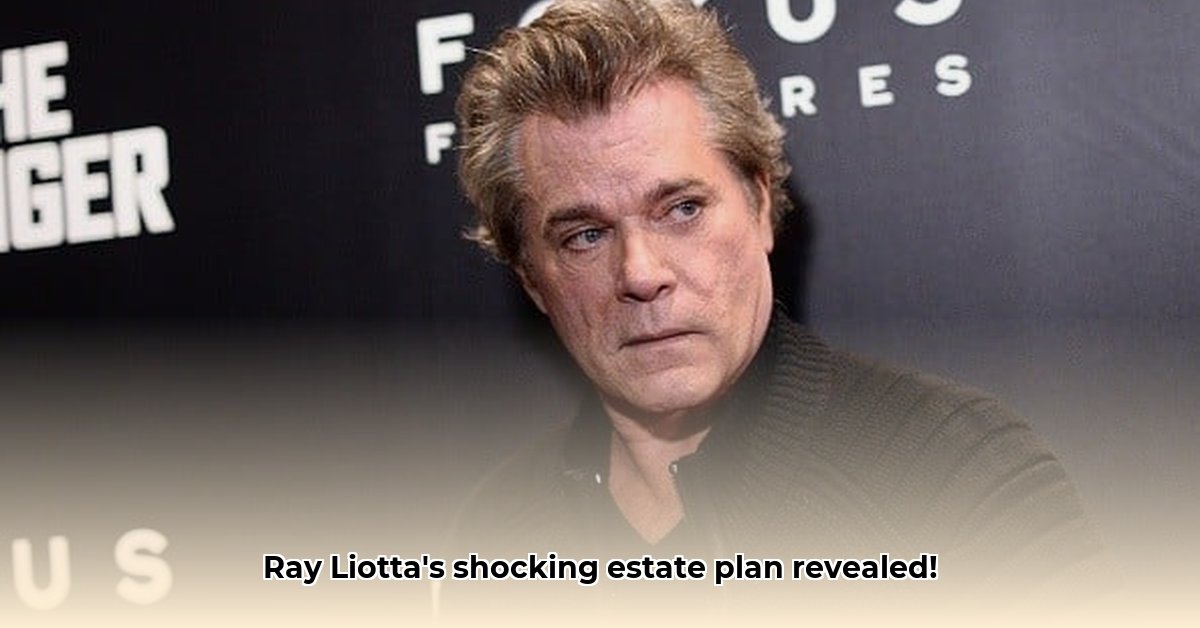
Ray Liotta's unexpected passing serves as a stark reminder of the critical importance of proactive estate planning, particularly for high-net-worth individuals and celebrities. For more in-depth strategies, see this helpful guide on high-net-worth planning. While the specifics of his net worth remain private, his legacy underscores the need for a comprehensive strategy to protect your assets and ensure your family's financial well-being. This guide provides a step-by-step approach to building a robust estate plan, addressing the unique challenges faced by those with significant wealth.
Understanding the Complexities of High-Net-Worth Estate Planning
Managing a substantial estate, especially one under public scrutiny, presents unique challenges beyond simply managing finances. These complexities demand expert guidance and careful planning to avoid potential pitfalls.
Navigating the Maze of Assets
Valuing assets is crucial. While tangible assets like real estate and investments are relatively straightforward, intangible assets such as brand value, intellectual property rights (for celebrities), and future earnings from contracts require professional appraisal and careful legal consideration. Failure to accurately account for these intangible assets can lead to significant undervaluation and future disputes.
The Probate Process: Time, Cost, and Privacy
Probate, the court-supervised process of distributing assets after death, can be lengthy, costly, and publicly accessible, potentially exposing private financial information. A well-structured estate plan significantly reduces the need for probate or streamlines the process, minimizing both cost and public exposure.
Tax Implications: Minimizing Your Burden
High net worth often translates to substantial tax liabilities. Estate and inheritance taxes can significantly diminish the value of an estate. Strategic tax planning, with the help of qualified tax advisors, is vital to minimize tax burdens and optimize asset distribution for your beneficiaries.
Public Scrutiny and Privacy Concerns
For high-profile individuals, estate matters often draw significant media attention. A carefully crafted estate plan that prioritizes privacy and confidentiality is crucial to manage these concerns. This includes strategic use of trusts and other legal tools to protect family privacy.
Key Steps to a Comprehensive Estate Plan
Creating a robust estate plan is a multi-step process requiring expert guidance. This plan safeguards your assets and ensures your wishes are honored.
Assemble Your Expert Team: Begin by assembling a team of qualified professionals: an estate attorney specializing in high-net-worth individuals, a tax advisor well-versed in estate tax laws, and a financial advisor to manage long-term asset growth. This collaborative approach ensures holistic planning.
Comprehensive Asset Inventory: Conduct a thorough inventory of all your assets, both tangible and intangible. Professional appraisals may be necessary for complex or high-value assets. This includes real estate, investments, personal belongings, intellectual property, and any business interests.
Choosing the Right Legal Instruments: Determine the most appropriate legal documents for your situation. A will directs asset distribution after death, while trusts offer more control, privacy, and creditor protection. Your attorney will advise on the most suitable options, and perhaps a combination thereof. This may involve establishing a revocable living trust or an irrevocable life insurance trust.
Strategic Tax Planning: Work closely with your tax advisor to develop strategies to minimize estate and inheritance taxes. Utilizing tax-advantaged strategies and charitable giving may significantly reduce the tax burden on your beneficiaries.
Addressing Potential Disputes: Prepare for potential family conflicts by establishing clear guidelines for asset distribution and including mediation clauses in your estate documents to facilitate peaceful dispute resolution. This proactive approach helps avoid costly legal battles.
Long-Term Asset Management: Develop a plan for the long-term management of your assets after your death. Your financial advisor can help structure trusts or other arrangements that ensure the financial well-being of your beneficiaries. This may include establishing a spendthrift trust to protect assets from mismanagement or creditors.
Risk Mitigation Strategies
Proactive risk management is paramount in high-net-worth estate planning. This involves identifying potential problems and implementing preventive measures.
| Risk Category | Mitigation Strategy |
|---|---|
| Family Disputes | Clearly defined estate documents, pre-emptive family meetings, mediation clauses. |
| High Tax Liabilities | Proactive tax planning with a specialist; utilizing tax-advantaged investment vehicles. |
| Asset Valuation Disputes | Detailed and independent appraisals; meticulous record-keeping; professional valuation. |
| Media Scrutiny and Privacy | Legal counsel to manage media inquiries; confidential estate planning strategies. |
Conclusion
Ray Liotta's passing underscores the critical importance of comprehensive estate planning for high-net-worth individuals. This guide provides a framework for building a robust strategy that protects your assets, minimizes tax liabilities, and ensures your family's financial security. Remember, proactive planning provides peace of mind, knowing your legacy is secure and your wishes are honored. Consult with qualified professionals to develop a personalized estate plan tailored to your unique circumstances.